Recycling and Sustainability for Landscaping Camberwell
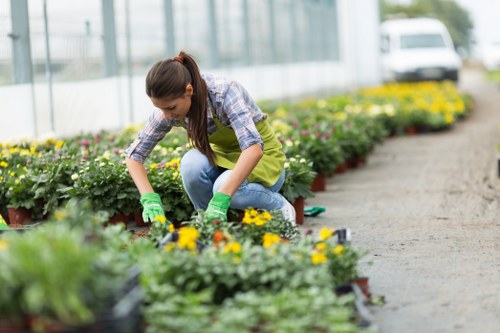 At Landscaping Camberwell, sustainability is built into everyday practice rather than treated as an add-on. Our approach to landscaping Camberwell projects focuses on reducing waste, reusing materials where possible, and choosing disposal routes that support a cleaner local environment. From soil uplift to green waste removal, we aim to keep as much material as possible out of landfill and move it into responsible recovery streams.
A key part of this commitment is our recycling percentage target. We aim to recycle or recover at least 85% of waste generated on suitable landscaping projects, including green waste, soil, wood, and selected inert materials. This target helps guide planning from the start of a job, so crews can separate waste efficiently rather than mixing everything together. For Camberwell landscaping services, this means smarter site organisation, better sorting, and fewer unnecessary skips going to general waste.
Across the boroughs, waste separation has become more structured, and our working methods reflect that direction. We pay close attention to local recycling rules and the separation of garden waste, timber, metal, cardboard, and rubble where appropriate. In many Camberwell landscaping projects, this can include segregating turf and pruning cuttings for composting routes, keeping clean aggregates apart for potential reuse, and ensuring that mixed loads are broken down before they are sent onward. Responsible sorting is one of the simplest ways to reduce environmental impact.
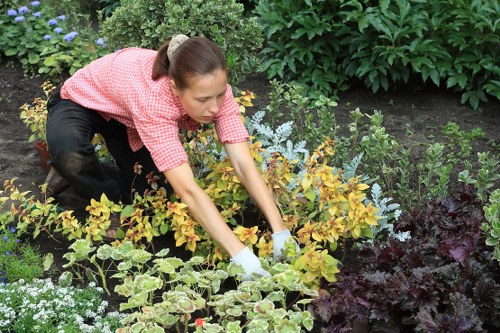 Local transfer stations also play an important role in the sustainability process. We use nearby transfer stations and licensed waste facilities to sort and direct materials to the correct recycling outlet, helping reduce travel distances and improve recovery rates. For landscaping work in Camberwell, this can mean using facilities that accept green waste for composting, inert waste for processing, and recyclable packaging materials collected from site. The result is a more efficient route for waste that supports lower emissions and better material recovery.
We also recognise the value of partnerships with charities and community organisations. Where projects produce reusable items such as planters, surplus timber, bricks, paving offcuts, or functional garden furniture, we seek opportunities to pass these on through charitable partnerships rather than dispose of them. These collaborations support local groups while extending the life of materials that still have value. In a practical sense, this is landscaping Camberwell with a circular mindset: reuse first, recycle second, dispose last.
The sustainability story continues with our vehicle policy. Our fleet includes low-carbon vans designed to reduce emissions on journeys between suppliers, sites, transfer stations, and storage areas. By using more efficient vehicles and planning routes carefully, we lower fuel consumption and cut the carbon footprint associated with each job. For customers seeking Camberwell landscaping sustainability, the van you see on the road is part of the same environmental promise as the sorting system on site.
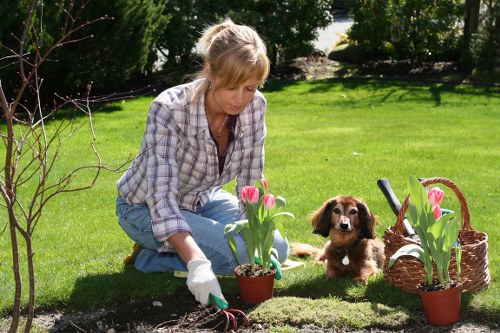 We also focus on the types of waste commonly produced during garden and exterior improvement work in the area. That includes hedge trimmings, leaves, roots, old lawn turf, broken fencing, compostable plant material, and occasional hard landscaping remnants such as stone and brick. Each stream is handled differently, with recyclable or recoverable materials directed to appropriate processing facilities. By keeping organic waste separate, we can support composting and mulching routes that return nutrients to productive use.
In addition, the borough’s practical approach to household and commercial waste separation influences how we structure our own site procedures. We mirror the principle of sorting materials early, identifying recyclable components quickly, and avoiding cross-contamination between green waste and general rubbish. This helps maintain recycling quality and supports the broader local effort to improve waste diversion rates. For Camberwell landscaping clients, that means a tidier site and a more accountable environmental process.
Our sustainability approach also includes thoughtful purchasing. Whenever possible, we choose materials with recycled content, durable finishes, or lower embodied carbon. Where timber is needed, we look for responsibly sourced products; where aggregates are required, we consider reclaimed or recycled alternatives. This reduces the demand for virgin materials and complements our waste strategy. In Landscaping Camberwell, recycling is not only about disposal, but also about making better decisions before waste is created.
 Another important focus is training and consistency. Team members are encouraged to recognise recyclable streams, separate green waste from contaminated waste, and avoid mixing inert materials with compostable loads. Clear handling procedures help us protect recycling quality and keep our target rates realistic across different types of projects. Whether the work involves regular maintenance or a larger garden transformation, the same principles apply: reduce, reuse, recover, and recycle.
We also work to minimise unnecessary journeys and site disturbance. By combining deliveries, scheduling collections carefully, and selecting the most efficient disposal route, we reduce both traffic impact and emissions. This matters in a busy urban area where environmental performance is closely linked to logistics. For Camberwell landscaping services, these measures help create a more responsible service that fits the needs of local streets, homes, and shared spaces.
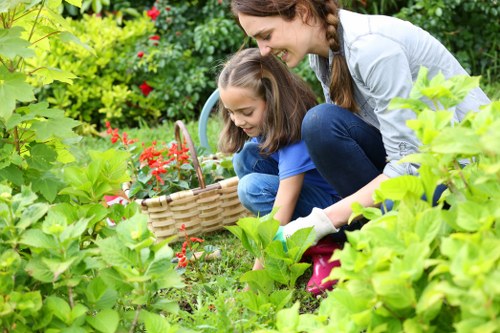 Overall, our recycling and sustainability commitment is about practical improvement at every stage of the job. From our 85% recycling or recovery target to local transfer stations, charitable partnerships, and low-carbon vans, we are working to make Landscaping Camberwell a cleaner, more resource-conscious service. By aligning with borough waste separation practices and prioritising recyclable material streams, we help ensure that each project supports a greener future for the area.